


Description
Xenon
Xenon is a chemical element with the symbol “Xe” and atomic number 54 on the periodic table. Here’s a detailed explanation of xenon:
1. Chemical Properties:
- Noble Gas: Xenon belongs to the noble gases group on the periodic table. Noble gases are characterized by their low reactivity, and xenon is no exception. It is colorless, odorless, and tasteless.
- Stable Isotopes: Xenon has several stable isotopes, with Xe-131 and Xe-129 being the most abundant. Additionally, it has numerous radioactive isotopes.
2. Physical Properties:
- Density and State: At standard conditions, xenon is a dense, colorless gas. It has a density higher than most other noble gases.
- Boiling and Melting Points: Xenon has relatively high boiling and melting points compared to other noble gases. It becomes a liquid at temperatures much lower than many common gases.
3. Occurrence:
- Trace Element: Xenon is a trace element in Earth’s atmosphere, making up only a small fraction (about 0.000009%) of the air we breathe. It is obtained through the fractional distillation of air.
- Rare on Earth: While xenon is present in the Earth’s atmosphere, it is considered a relatively rare element on Earth compared to other gases.
4. Applications:
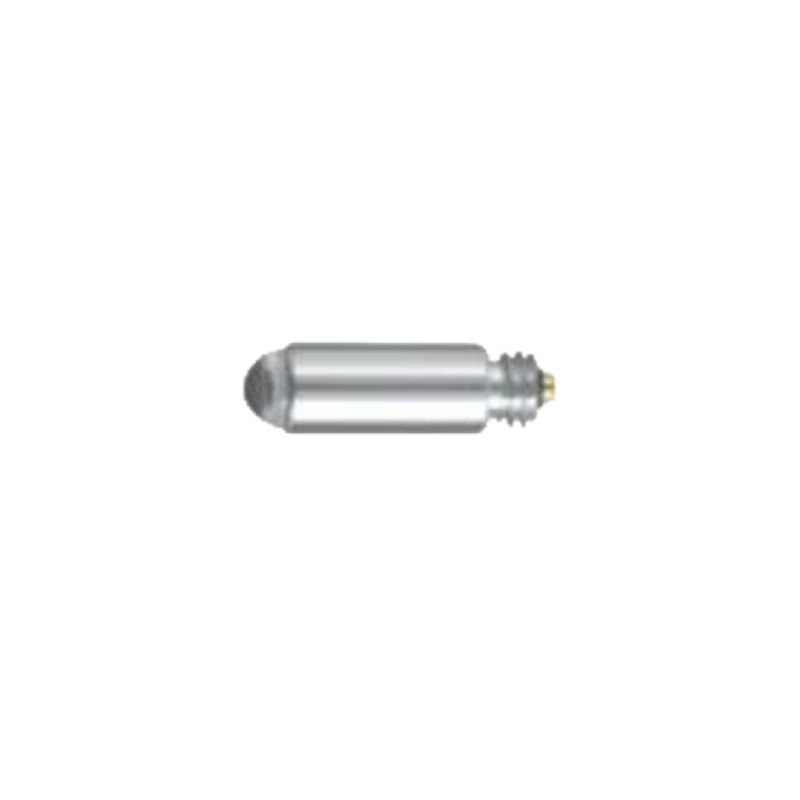
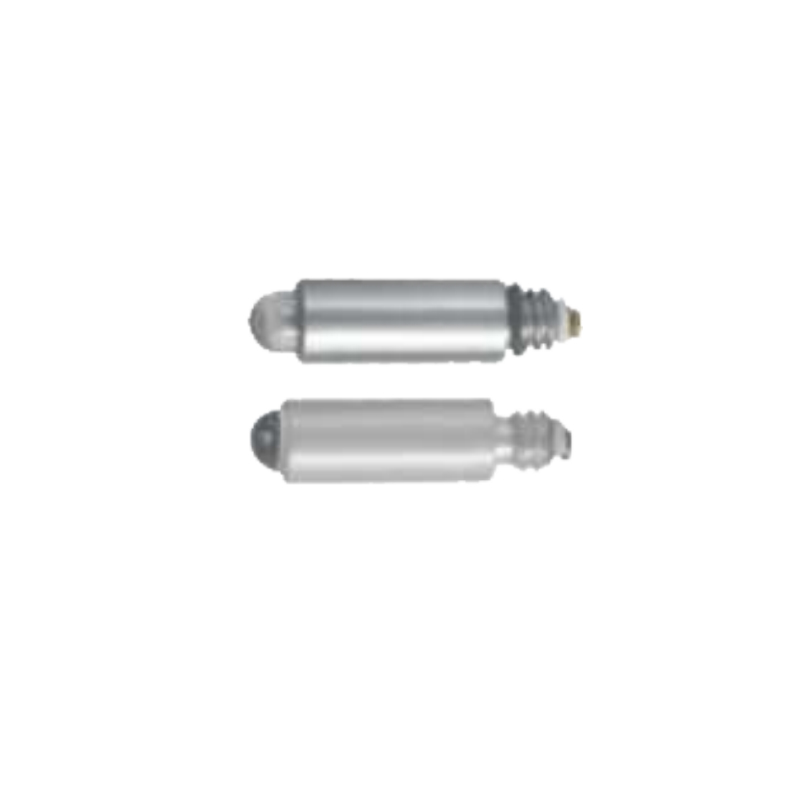
- Lighting: Xenon is commonly used in certain types of high-intensity discharge (HID) lamps, such as xenon arc lamps. These lamps produce bright and intense light, often used in applications like automobile headlights and movie projectors.
- Medical Imaging: Xenon can be used in medical imaging, particularly in xenon-CT (computed tomography) scans, where xenon gas is inhaled by a patient for lung imaging.
- Space Propulsion: In the field of aerospace, xenon is used as a propellant in ion thrusters and Hall-effect thrusters for spacecraft propulsion.
- Laser Technology: Xenon is utilized in certain types of lasers, contributing to the production of coherent and focused light.
5. Chemical Reactions:
- Stable Compounds: While xenon is generally inert, it can form stable compounds under specific conditions. Xenon can bond with fluorine to form xenon hexafluoride (XeF₆), among other compounds.
- Unreactive in Standard Conditions: Under standard conditions, xenon is unreactive and does not readily form compounds, which is a characteristic shared with other noble gases.
In summary, xenon is a noble gas with various applications in lighting, medical imaging, aerospace, and laser technology. Despite its low abundance in Earth’s atmosphere, it plays a significant role in specific industries due to its unique physical and chemical properties.
Reviews
There are no reviews yet.